
Vršac – Where Mighty Wines’ roots lie…
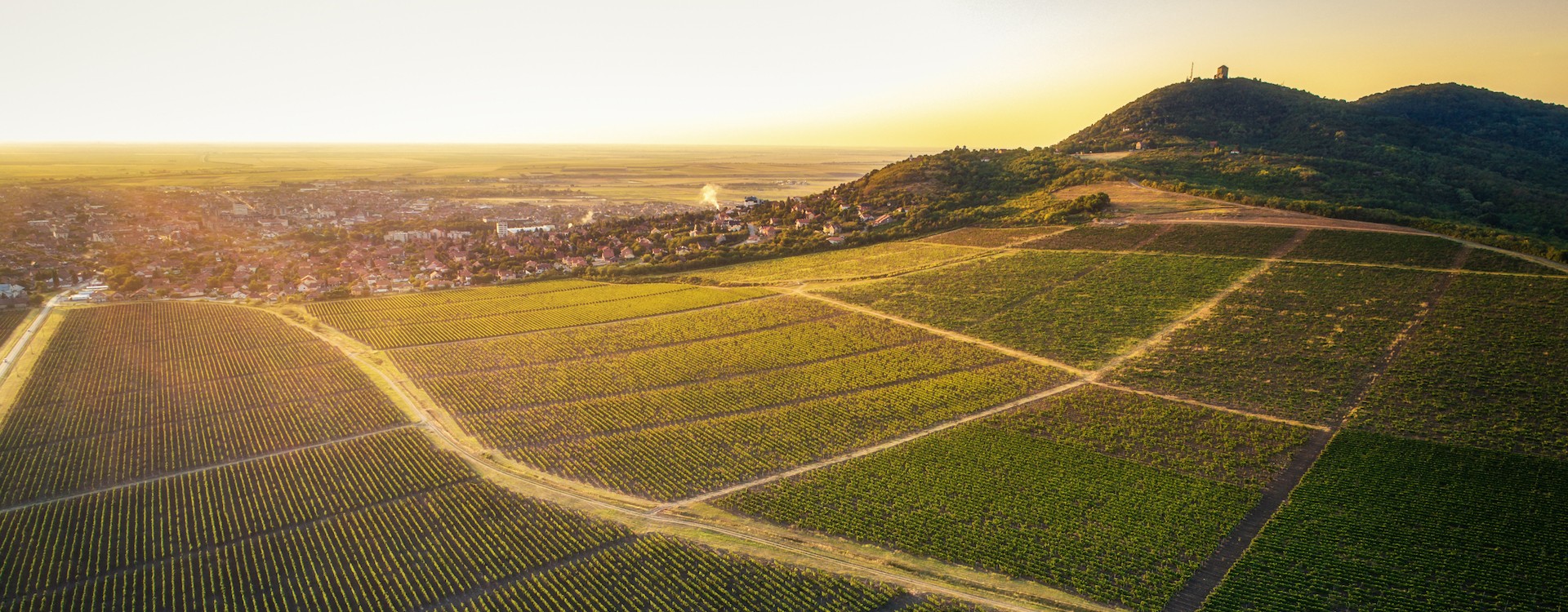
As Mighty Wines’ founder, with roots in the Balkan, you probably think I am slightly biased when it comes to labelling wines ‘Mighty’ – and you certainly have a good point. Long before I was born, my ancestors harvested grapes from their vineyards on Vršac soil.
But also from a more general historical perspective, wine from this particular geographical region in Serbia, called Banat (Vojvodina province), certainly has a fascinating history. The ‘Banat’ region where Vršac is part of, covers hilly terrain on the western slopes of the Carpathian mountains. Winemaking dates back to ancient times here because favorable geographic and climatic factors have traditionally inspired the locals to grape and wine production.
But also from a more general historical perspective, wine from this geographical region in Serbia, called Banat (Vojvodina province), certainly has a fascinating history.
The ‘Banat’ region where the city of Vršac is part of, covers hilly terrain on the western slopes of the Carpathian mountains. Winemaking dates back to ancient times here; favourable geographic and climatic factors have traditionally inspired the locals to grape and wine production.
The first mention of wine production in Banat goes back as far as the Roman Empire (we are talking 3rd century), but, believe it or not, local legends even state that the God Bacchus (the Roman God of wine and pleasure) himself was born in Banat…

Where was he born? Well, KO ZNA! Who knows! In vino veritas?
But what we DO know for sure about this area is that it’s wine potential was already recognised by the ancient Romans for good reasons. Reasons you are probably about to discover in our Mighty Wines store.
Despite the fact that the wines from this area (and Balkan territory in general) are still lacking in common stores in The Netherlands nowadays, this part of Eastern Europe remained important for wine production throughout history. During the 19th century the vineyards even became the biggest in Europe (across 10,000 ha). In 1875, this resulted in a record grape harvest from which almost 60 million litres of wine were produced.
Alas, an really absurd situation occurred: the agriculture was completely focused on winemaking, so that year the people of Vršac had to import wheat to sustain themselves – despite of being surrounded by a lot of fertile soil.
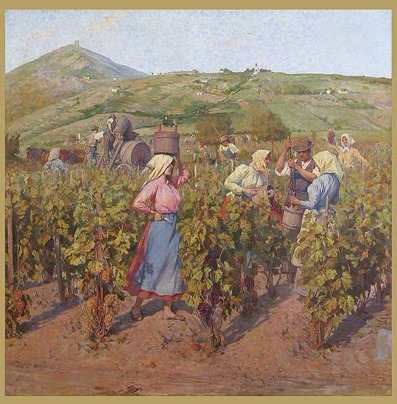
Fortunately, the region strives for more balance on the agriculture department in this day and age. Today it is quality that matters, quality that can be ensured by a lot of experience and pride in winemaking throughout history.
I could go on an on about how this all resulted in very fine high quality wines, what has been achieved in all those years, and about how Vršac became the first city in Serbia to be admitted to the Association of Wine Cities in Europe (RECEVIN), but some things have to be experienced – and not just read about endlessly.
Have you become curious? Your package of Mighty Wines is just one order away!
Time to go back to where the story started. Slightly biased or not, you might be convinced now. Vršac, a town in Banat were Mighty Wines roots lie, despite me discussing only a glimpse of it, certainly has an eventful wine making history.
Knowing this, it may not surprise anyone that the characteristic Vršac hill grapevines are an integral part of the city of Vršac coat of arms since 1804. And hopefully you will now also fully understand why this beautiful city, the viticulture in this region, and their rich wine making history became my inspiration behind starting Mighty Wines in 2021.

Mighty Wines will regularly offer exclusive wines from the Banat region in our shop to celebrate Mighty Wines’ ‘origin’ and ‘birthplace’!
Thank you for your interest and for putting up with my story until this point! 🙂
Welcome and Cheers! Dobrodošli i živeli!

Passage of Master Winemakers during yearly traditional manifestation of grape harvest days
